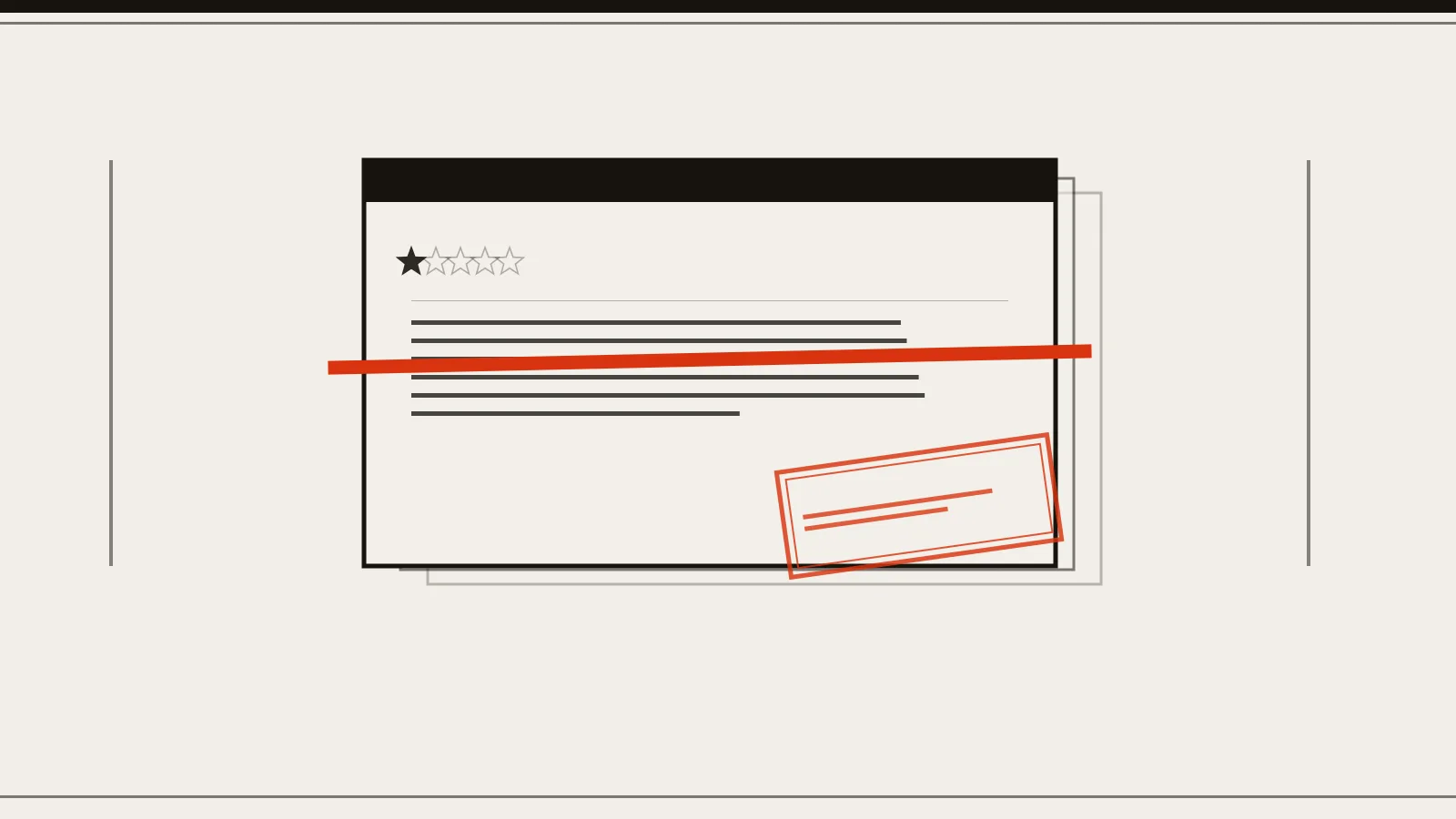
Can you remove a Trustpilot review at all?
No. Not directly, and not by asking nicely.
A business cannot delete a review on its own profile. It can flag one, which opens a moderation case, and Trustpilot's own team decides the outcome. That distinction is the whole game, and almost everyone who contacts us about a one-star review has spent a fortnight on the wrong side of it — hunting for a delete button that was never built, then assuming its absence means nothing can be done.
Something can usually be done. It just runs on rules rather than grievance.
Here is the shape of it across every site on this page. A review or complaint comes down when it breaks the platform's published rules, when it infringes a copyright, or when a court says it is unlawful. It does not come down because it is unfair, because it cost you a contract, or because the person who wrote it is lying about being a customer, unless you can evidence that in the platform's own vocabulary. Three outcomes are available and they are not interchangeable. Removal deletes the review or the page. Redaction strikes specific sentences and leaves the rest standing, URL intact. Suppression touches neither, and pushes the result off page one for the searches that matter. Knowing which one you are being sold is the difference between a resolved case and a year of paying somebody to fail slowly. The same logic governs every takedown we run, which the four routes any removal desk actually has sets out in full.
The nine sites in this briefing behave very differently. Trustpilot moderates actively and removes a great deal. Ripoff Report removes essentially nothing, by design and by contract. The Better Business Bureau publishes on a clock and lets it expire. Meta rebuilt its review product and quietly stranded a decade of advice. The gossip boards sit behind American immunity law that a British letter cannot touch.
We are a removal desk, not a review-laundering service, and that split matters here more than on any other topic we write about. Obscura takes cases where the material is false, rule-breaking or unlawful. Where a review is simply a true account of a bad experience, we say so and decline, because filing a false report is both a lie and a tactical error. Who writes these briefings is on the record for exactly that reason.
How do you flag a Trustpilot review, step by step?
Flagging is free, it takes about two minutes, and it is the only lever a business holds directly.
Log into your Trustpilot Business account, open the review, select the flag icon, and choose the reason that matches a published guideline. Add a short written explanation. Submit. That is the entire mechanism, and the written explanation is the part that decides your case — the dropdown only routes the ticket, while the free-text box is where you either prove a breach or fail to.
What the moderators check is whether the review breaches the Trustpilot review guidelines, not whether it is fair. Reviews come down for naming individual employees, for abusive or discriminatory language, for promoting a competitor, for describing an experience the reviewer did not personally have, for carrying personal data, or for being advertising. A review does not come down for being harsh, for being one star, or for being written by somebody you suspect is a rival in disguise — unless you can show which rule that disguise breaks.
Write the flag as an evidence note, not a complaint. Name the specific guideline. Quote the exact sentence that breaches it. Attach an order reference, a support-ticket number, a date, anything that anchors the claim in a record Trustpilot can check for itself. "This is defamatory and false" is a sentiment. "This review names our employee in its third sentence, which the guidelines prohibit, and the order number it cites does not exist in our system" is a case. We watch the second kind resolve and the first kind sit untouched, and the gap between them costs nothing but ten more minutes of drafting. Keep it to a paragraph. Moderators are working a queue, and a flag that opens with three screens of background makes them hunt for the breach you are alleging. Put the rule first, the quoted sentence second, the record third, and stop.
Trustpilot publishes no service-level agreement on how long a flag takes, and anybody quoting you a guaranteed turnaround has invented it. While a flag is under review the review is normally hidden from the public profile, which is worth knowing before you panic on day three.
When a flag is rejected, and plenty are, you have three moves and re-flagging the same review on the same ground is not one of them. Re-flagging identically wastes the ticket and teaches the queue to discount you. The first move is to flag again on a genuinely different ground, if one exists and you can evidence it, because a rejection tells you the ground you chose was not made out rather than that the review is untouchable. The second is to escalate in writing with evidence you did not supply the first time, which is where most successful second attempts actually succeed. The third, and the one businesses skip, is to reply publicly and stop there.
That public reply deserves more respect than it gets, because it is the only lever here that works whether or not the review comes down. A calm, specific, non-defensive reply is read by every future customer who finds the review, and it converts a one-star complaint into evidence that you answer problems. Name the fix rather than the fault. Do not dispute the reviewer's feelings, do not mention lawyers, and never imply the person is lying unless you can prove it and have decided you are willing to. Reviews that sit under a good reply do measurably less damage than reviews that sit alone, and the reply costs nothing, needs nobody's permission, and cannot be rejected by a moderator.
One more thing people get wrong. If you want to know how to delete a Trustpilot review that you wrote yourself, that is a different and far easier job: log into your consumer account, find the review, delete it. Consumers can remove their own reviews whenever they like. Businesses cannot remove anybody's. This is the same object-level logic that splits an Instagram case four ways — profile, post and Reel removal routes are not interchangeable, and neither are "my review" and "their review".
Two habits to drop before you file. Do not flag from several staff accounts hoping volume shifts the outcome; platforms judge the violation rather than the tally, and why a report is a referral, not a decision applies here without modification. And where the reviewer is a genuine bot or spam account, report the account through its own route instead of flagging the review — the spam report route that works is the pattern to copy.
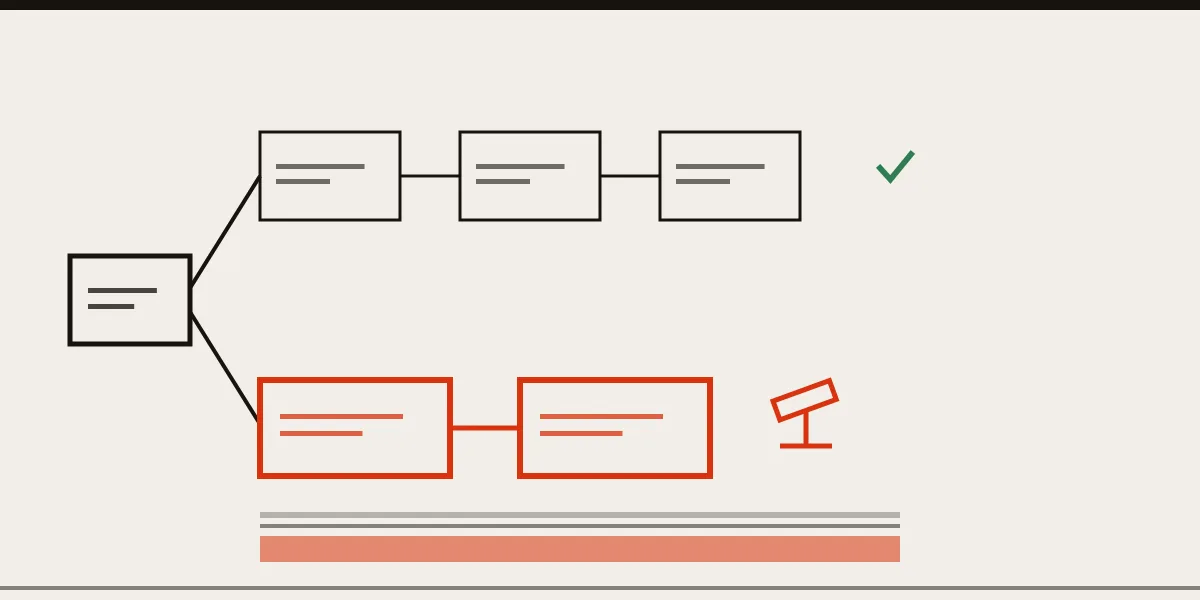
What counts as Trustpilot fake reviews, and what only feels fake?
Trustpilot removed 4.5 million fake reviews in 2024, about 7.4% of everything submitted, and roughly 90% of those were caught by automated detection rather than by human reports (Trustpilot Trust Report 2025). The year before it was 3.3 million, or 6.1%. The trend runs upward and the machines are doing most of the work.
Read those figures carefully, because they cut both ways. They mean Trustpilot genuinely does police fabrication at scale, so a real fake has a real chance. They also mean the automated layer has already looked at your review and left it standing, which tells you how strong the evidence in your flag needs to be.
Genuine Trustpilot fake reviews leave fingerprints. The account carries no purchase history and no other reviews, or a burst of reviews across unrelated businesses inside a single day. The text describes a product you do not sell, a location you have never operated, a policy you have never had. Several reviews land within an hour of each other in the same register, with the same tics. The stated order reference resolves to nothing in your system. Any one of those is worth flagging. Two or three together make a strong case, and it is precisely the pattern the moderation team is already tooled to recognise, which is why naming the pattern explicitly in your written explanation does more work than any amount of adjectival outrage about the reviewer.
Now the harder half. A review that is merely wrong is not fake. A customer who misremembers the price, blames you for a courier's failure, or describes a two-hour wait your records put at forty minutes is giving an honest account of their own experience, and honest accounts stay up. So do reviews from someone who bought through a reseller, someone who cancelled before delivery, and someone whose complaint you have already resolved to their satisfaction. Trustpilot does not require proof of purchase by default. A "verified" badge marks a review tied to a confirmed transaction or invitation, and the absence of that badge is not evidence of fabrication. That last point is worth internalising before you flag forty unverified reviews on that basis, because a batch of rejected flags costs you standing with the moderation team on the one review that genuinely was fabricated.
Review bombing is its own category, and the one where businesses most often make things worse. A coordinated wave after a news story or a viral post is rarely a set of fake reviews. It is a set of real people with a real opinion and no transaction. Flagging them wholesale as fraudulent generally fails, because individually they break no rule. Flagging them as an experience not personally had can succeed, but only one at a time, with the specific reason attached each time. What never works is answering volume with volume. The mechanics match a brigading campaign anywhere else, and how brigading is defended against is the playbook: document the coordination, escalate once, coherently, and resist retaliating.
Tempted to buy your way out? Read what mass reporting does to the target first, then where these tools are actually sold. Every platform enforces a ceiling on what volume achieves, and YouTube's is the bluntest illustration in the business: 200 reports a day, then nothing.
Where a competitor is genuinely behind the reviews, the case changes shape and gets stronger. Competitor-posted reviews breach Trustpilot's guidelines outright, and they also sit squarely inside the FTC rule as insider or fabricated reviews, so you have a platform route and a regulatory one running in parallel. Build the link before you allege it. Matching timestamps across several accounts, reviewer profiles that have only ever reviewed you and one rival favourably, shared phrasing, a burst that coincides with your tender or product launch. Any single item proves nothing and a documented pattern proves a great deal. What you must not do is accuse a named competitor in your public reply, because if the link turns out to be coincidence you have published a false statement of fact about a trading rival and handed them the better claim.
There is a legal floor here that businesses forget applies to them as well. The FTC's Consumer Review Rule, in force since 21 October 2024, bans fake, incentivised and insider reviews outright, and separately bans suppressing genuine negative reviews through unfounded legal threats, with civil penalties reaching $53,088 per violation (16 CFR Part 465). Buying positive reviews to bury a bad one is not a workaround. It is the more expensive offence.
When does a review cross into Trustpilot defamation?
A review becomes defamation when it states a false fact about you, rather than an opinion, and that false statement causes or is likely to cause serious harm to your reputation.
Opinion is protected and always will be. "Rude staff, overpriced, would not use again" is an honest opinion, however much it stings, and no lawyer worth the fee will tell you otherwise. "They took my deposit and never registered the work with Building Control" is a statement of fact. If it is false, it is actionable. The test is not how angry the review makes you; it is whether a reader would take the words as a factual assertion capable of being proved true or false.
Under English law you then have to clear the serious harm threshold in section 1 of the Defamation Act 2013, and for a body trading for profit that means proving serious financial loss, not merely wounded pride. This is where most claims about reviews die. A single one-star review among four hundred, on a profile still averaging 4.6, will struggle to show serious financial loss no matter how false its contents. Twelve coordinated reviews that coincide with a named client cancelling a named contract is a different evidential picture entirely, and it is the picture a solicitor needs before anyone sends anything.
Trustpilot itself learned the shape of that threshold from the other side of the courtroom. In Trustpilot A/S v BW Legal Services, the High Court gave summary judgment on 12 June 2024, and the case remains the reference point for anyone imagining they can sue the platform rather than the reviewer. Suing the host is almost always the wrong instrument. The reviewer wrote the words; the platform carried them; and English law gives a website operator its own defence under section 5 of the 2013 Act provided it follows the statutory notice procedure when a complaint arrives. Aim at the author.
The same false-fact-versus-opinion line runs through every platform we work on, and social media defamation sets out the four hurdles a claim has to clear in full. Where the attack is aimed at a professional identity rather than a company, the nearest analogue is LinkedIn defamation and impersonation takedowns, which turn on the same evidence and move on a similar clock.
What you do in the first week decides the case. Screenshot the review with its URL and a visible timestamp. Save the reviewer's profile page and every other review on it. Capture the archive copy before anyone edits it, because reviews are edited and deleted constantly, and a deleted review you failed to preserve is a claim you can no longer bring. Record the financial consequences as they land: the cancelled order, the email that says why, the month-on-month enquiry figures. Cases here are won or lost on the packet you assemble before you instruct anyone, which is the whole argument of cases are won before anything is filed.
A practitioner note, because this one recurs. When we take a review case in, the first question we ask is never "is this defamatory". It is "what does this review claim happened, and can you show me the record of what actually happened". Roughly half the businesses that come to us convinced of defamation are describing a review that is unkind, exaggerated and substantially true. Those we decline, and we say why. The other half usually have something better than a defamation claim sitting unused in their own files: an order record, a signed completion note, a support thread proving the reviewer was never a customer. That evidence flags the review down through Trustpilot's own process in a fortnight, for nothing, without a solicitor's letter ever being drafted. The lesson we would give any business owner is to search their own systems before they search for a lawyer, because the cheapest route out is usually already in the filing cabinet.
Ripoff Report removal: the site that deletes nothing
Ripoff Report does not remove reports. Not for the subject, not for the author, not for a fee, not after a retraction. That is its stated policy and it has held since 1998.
The phrases people type when they arrive here — ripoff report removal, remove ripoff report, delete ripoff report, ripoff report remove, how to remove ripoff report, remove ripoff report review — all describe the same hope, and the site is built specifically to defeat it. Ripoff Report launched on 8 December 1998, founded by Ed Magedson and operated by Xcentric Ventures LLC out of Tempe, Arizona. Its terms of service make published reports permanent. The person who wrote the report cannot withdraw it. They can post an update saying they were mistaken, and the original stays exactly where it is, above the correction.
Understand why before you spend anything. Section 230 of the Communications Decency Act gives US platforms immunity from liability for content their users post, which means a British or Australian judgment against the site is close to worthless in an American court, and the SPEECH Act of 10 August 2010 makes that explicit by barring US enforcement of foreign defamation judgments that fail First Amendment-equivalent standards (Public Law 111-223). A UK claimant with a UK judgment against Ripoff Report has a piece of paper, not a remedy.
That immunity is not quite absolute, and the nuance is worth knowing because vendors on both sides misstate it. In 2015 the Ninth Circuit held that the CDA does not immunise Xcentric for content it creates and posts itself, and a separate Utah ruling that year found it was not acting as a neutral publisher. So the "Ripoff Report has never lost and never can" line you will read on reputation-agency landing pages is marketing rather than law. What is true is narrower and still discouraging: immunity holds for what users wrote, and what users wrote is exactly what your problem consists of. The exception bites only where the operator authored or materially altered the words complained of, which is rare, hard to prove, and not a plan. Treat it as a reason to distrust anyone claiming certainty in either direction rather than as an opening.
So the honest answer to how to remove Ripoff Report content is that you almost certainly cannot remove it. You can sometimes get it de-indexed, which is a different and more achievable thing, and the next section is about exactly that. What you should not do is treat the page's permanence as proof that some specialist somewhere has a back channel. There isn't one. Anybody selling you deletion is selling you a redirect, a redaction, or a lie, and the pattern is identical to the one dissected in the instruments available, and where they stop.
There is one free lever the site does offer, and it is worth using carefully. You can post a rebuttal beneath the report, which publishes immediately and permanently alongside it. Written well, a rebuttal is the first thing a prospect reads after the allegation, and a calm factual correction sitting under a furious accusation does real work. Written badly it makes the page longer, angrier and more compelling to read. Keep it short. Correct specific factual errors with specific records, decline the invitation to characterise the complainant, and never post it while angry. Remember also that the rebuttal adds your own text to a page you want to rank for less, so write about the facts rather than repeating your brand name a dozen times.
Two structural tells help you price any offer you receive. First, a vendor that sells a process rather than an outcome has already told you it cannot deliver removal — what actually terminates a channel unpacks that gap on YouTube, and it transfers cleanly. Second, when the fee is quoted before anybody has read the actual report, you are buying a filing, not a judgement about whether filing helps. What an Instagram ban service really sells is the same product wearing a different badge.
Is Ripoff Report arbitration or the Corporate Advocacy Program worth it?
Usually not, and you should know precisely what each one does before a fee is discussed.
Ripoff Report operates its own paid schemes, and the figures circulating for them come from secondary reporting rather than a published rate card. The site blocks automated retrieval, so treat every number here as reported rather than confirmed. The Ripoff Report Corporate Advocacy Program has been reported at anywhere from around $5,500 to well over $100,000 depending on the size of the business and the volume of reports, with a lower "Verified" tier reported at around $89 a month since 2013. The separate VIP Arbitration route has been reported in the region of $2,000 to $10,000 per case.
Here is the part that decides it. Neither scheme deletes the report. Arbitration, at its best outcome, produces a redaction — an arbitrator finds specific statements to be false, and those specific statements are struck through or removed from the page. The page itself survives, keeps its URL, and stays indexed. The Corporate Advocacy Program does not touch the report's contents at all; it adds a banner and commentary above it saying the business has committed to resolving complaints. Your ranking problem is unchanged. The headline in the search result is unchanged. You have bought an annotation.
There is a second-order cost that rarely gets mentioned in the sales call. Enrolling publicly signals that the reports mattered enough to pay over, and the programme page itself is indexable content bearing your company name next to the phrase it was created to neutralise. We have seen the programme page outrank the original report on brand searches. That is not a win.
None of this is unique to Ripoff Report. It is the standard economics of the reputation-remediation trade: a fee attached to a filing anyone could make, priced as though it were attached to the outcome. Paying for a filing you can send yourself is the clearest statement of the pattern we have written. The price bands run wide and the liability rarely sits where the buyer assumes, as ban service price bands and legal risk sets out with real figures, and $250 buys a report, not a takedown shows the same maths at the cheap end of the market. Where the scheme itself is legally exposed, the buyer often carries more of that exposure than the vendor does, and the buyer's own exposure is the briefing to read before signing anything. One question separates the honest offers from the rest: ask what specifically happens to the URL, and whether it still resolves afterwards.
When is arbitration worth it? Narrowly: when the report contains a small number of specific, provably false factual assertions, when those exact sentences are what a prospect reads in the search snippet, and when de-indexing has already been tried and refused. That is a real scenario. It is just a much rarer one than the fee structure implies.
If a false review or complaint is costing you work, get a confidential case review. We map the lawful route before any fee is named, we tell you plainly when the honest answer is suppression rather than removal, and we will not file a report we do not believe to be true.
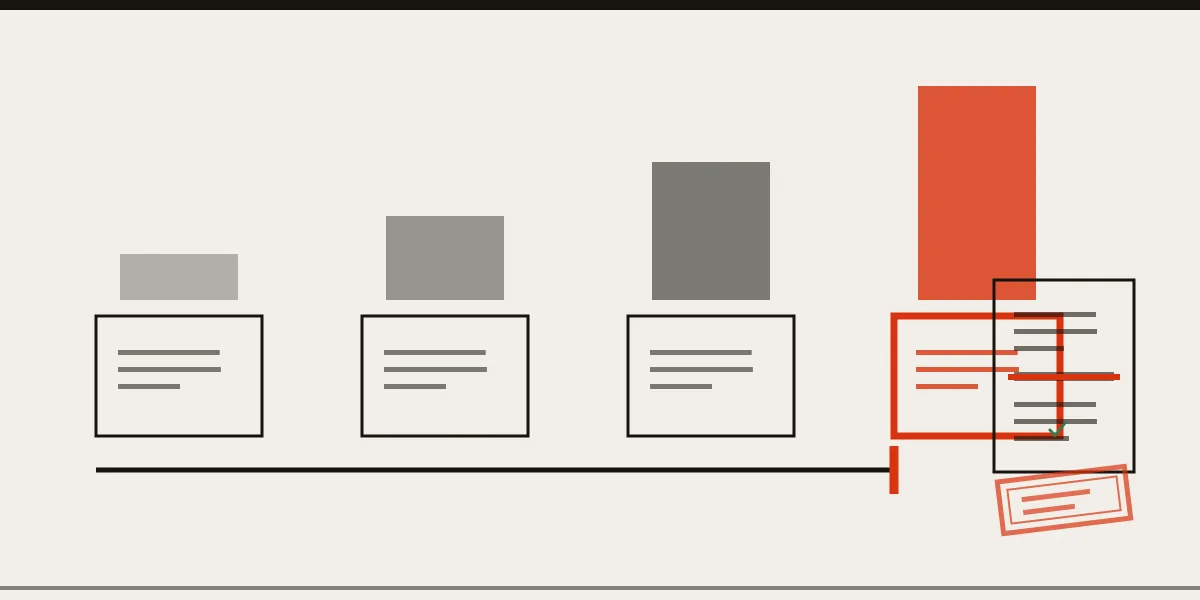
How to remove Ripoff Report from Google search results
You are not removing the page. You are trying to remove the listing, and those are separate jobs with separate mechanisms.
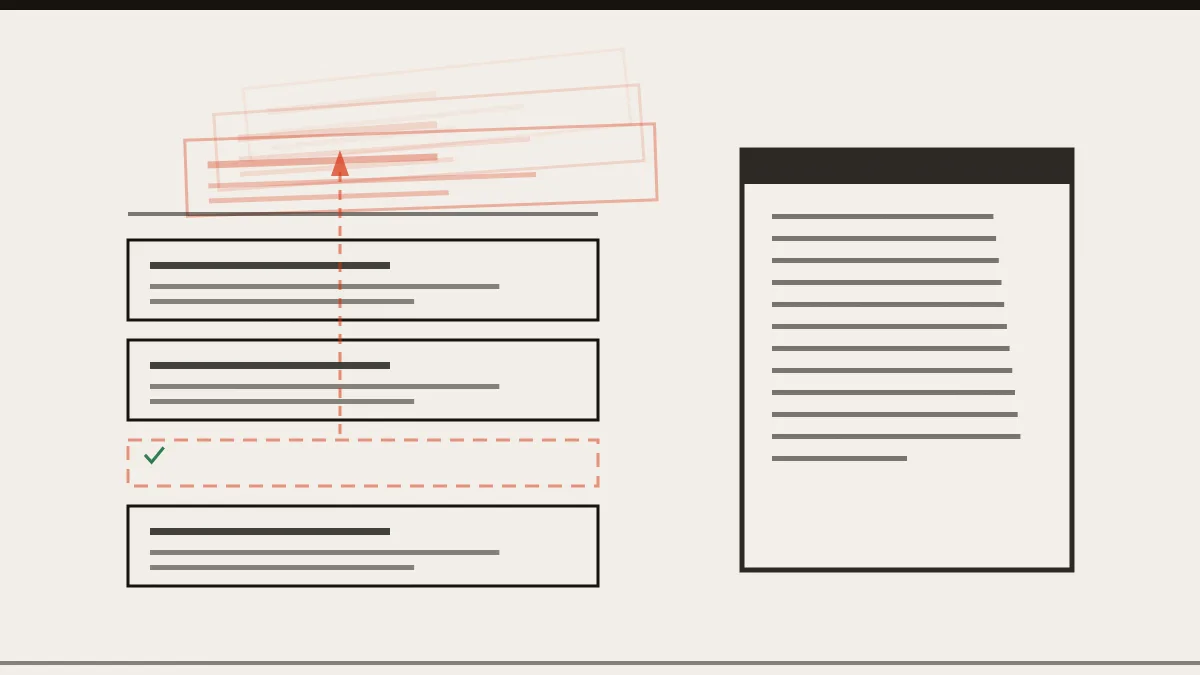
This is the single most useful distinction on this page. The report lives on Xcentric's servers and stays there. The search result lives in Google's index, and Google will drop a URL from its index in a small number of defined circumstances — most reliably when a court has ruled the content unlawful and you serve that order, and in narrower cases through its own published removal policies. So the realistic target when people ask how to remove Ripoff Report from Google search results is de-indexing the URL for your brand or name query, leaving the page itself untouched and unreachable except by direct link.
Three routes exist, and only one of them is free and self-service.
The first is Google's own removal policies. These cover doxxing content, financial account numbers, national identification numbers, explicit imagery published without consent, and a handful of related categories, submitted through the personal information removal request form. If a report includes your home address, your bank details or your passport number, that portion is genuinely removable from search for free, and this is the honest core of what "remove Ripoff Report from Google free" can mean. It does not cover a complaint about your business. It covers the personal data somebody attached to it.
The second is a court order, which the next section deals with.
The third is suppression, and for most businesses it is the one that actually resolves the problem. You cannot delete the result, so you build and strengthen enough owned and earned assets on the brand query that the report falls off page one. That is slow, unglamorous work: a properly optimised site, live profiles on authoritative directories, earned press coverage, a knowledge panel, individual staff profiles. It is also the only route on this list that does not depend on somebody else's decision, which is precisely why it is the one we recommend most often and the one clients like least. Expect months, not days, and expect to maintain it, because a suppressed result climbs back the moment the assets holding it down go stale. When suppression is the only outcome available is our fullest treatment of the removal-versus-suppression fork, and the reasoning transfers directly.
Two cautions before you try to remove Ripoff Report yourself. Do not use the outdated-content tool to try to force a re-crawl of a live page; it only clears results whose underlying page has already changed or gone, and misusing it achieves nothing. And do not submit the same URL repeatedly through unrelated forms hoping one lands. Reach is not the same as removal, a point what report panels actually reach makes about a different trade selling the same illusion.
Then there is the syndication problem, and it is the reason de-indexing one URL sometimes changes nothing. Ripoff Report content is scraped, mirrored and republished across dozens of low-quality aggregator domains, each with its own URL and its own indexing. De-index the original and the mirrors surface behind it. Any serious de-indexing effort has to enumerate the copies first and treat them as a set, which is the same structural problem the original comes down; the copies don't describes on TikTok. Budget for the set, not the page.
When does a Ripoff Report attorney or a lawsuit change anything?
When you sue the author, win, and use the judgment as a de-indexing instrument. Not when you sue the site.
That sentence is the whole strategy, and it inverts what most people assume. A Ripoff Report lawsuit aimed at Xcentric runs into Section 230 and stops. A claim aimed at the individual who wrote the report does not, because Section 230 protects the platform from liability for user content and offers the user nothing at all. If you can identify the author and prove the statements false, you can obtain a judgment or a default judgment declaring the content defamatory — and a court order of that kind is the instrument search engines act on.
The practical sequence runs: identify the author, often through a subpoena for account records; issue proceedings for defamation; obtain judgment or a settlement carrying an agreed declaration; serve the order on Google with the specific URLs listed. Search engines de-index on a valid order far more readily than they respond to any complaint about unfairness. The page stays live on Ripoff Report. It stops appearing when somebody searches your company.
A competent Ripoff Report attorney will tell you the awkward parts early, and the absence of those warnings is how you spot an incompetent one. Anonymous authors are sometimes unmaskable and sometimes not, and you rarely know which until you have spent money finding out. Cross-border enforcement is genuinely difficult, and the SPEECH Act means a UK judgment may not travel at all. Litigation is public, which creates its own exposure: filing a claim about an obscure report can hand it the coverage it never earned, and we have talked more than one client out of a winnable case for exactly that reason. Costs commonly run into five figures before anything is served. There is also a clock. In England and Wales the limitation period for defamation is one year from publication, which is short, and it is the deadline people discover after it has passed.
Standing matters too, and it is the gate people trip over. Only the person or entity defamed can bring the claim; a director cannot sue over a statement about the company unless the statement is also about them personally. Getting that wrong wastes a filing fee and hands the other side an easy strike-out. Who actually has standing to file sets the same test out on a different platform.
If the report reproduces your copyrighted material — your photographs, your site copy, your logo artwork — you have a faster and much cheaper lever than defamation. A DMCA notice under the US Copyright Office's published procedure reaches the host, and hosts act on valid copyright notices routinely. What a valid notice must contain is the drafting guide; the anatomy is identical whatever the platform. Understand what each route can actually compel before you choose, which Telegram channel takedown routes lays out route by route.
We say all this before any engagement rather than after, not because it wins work, but because the alternative is taking a fee for a case we already know will disappoint.
ComplaintsBoard removal and PissedConsumer removal
Both sites accept complaints with light verification, neither offers a self-service delete, and both are more tractable than Ripoff Report.
That last point is the useful one. ComplaintsBoard removal is possible in practice, because the site does operate a complaints process for the businesses it writes about and does act on clear policy breaches: defamatory content, published personal data, obvious fabrication, commercial abuse by a competitor posing as a customer. The route is a written request identifying the specific policy breach with evidence attached, sent through the site's own contact channel, and it fails when it arrives as an angry demand rather than a documented one. The same discipline that carries a Trustpilot flag carries a complaints board removal request: name the rule, quote the sentence, attach the record. Where the complaint is substantially true but resolved, the realistic ask is different and worth making explicitly, which is a dated update appended to the thread rather than deletion of it.
PissedConsumer removal works differently and the difference trips people up. The site offers an arbitration-style review process, but what that process examines is whether the post complies with its own terms of service, not whether the underlying allegation is true. An arbitrator can strike content that breaches those terms. It will not adjudicate your defamation claim, and paying for a review in the expectation that it will is the commonest wasted spend on this platform. Read what the process actually promises before you buy it, and treat any fee quoted before somebody has read your specific post as the warning sign it is.
Both sites reward the same preparation, and it is worth doing before you contact either. Pull the exact URL of every page mentioning you, including the profile page as well as the individual complaint. Record the posting date and the poster's handle. Identify which specific sentences you say are false and what document disproves each one, sentence by sentence, because a request that disputes the whole post gets read as a grievance while a request that disputes three named sentences gets read as a case. Decide in advance whether you are asking for removal, redaction or an appended update. Then send one request, to the correct channel, and wait rather than chasing it weekly.
If the site simply ignores you, which happens, the escalation is not a louder email. It is to shift instrument: a copyright notice to the host if your material is reproduced, a Google personal-information request if your private data appears, or a legal notice if you have grounds and are prepared to use them. Silence from a small operator usually means an unattended inbox rather than a decision, and the route that works is the one that reaches somebody with an obligation to answer.
For both sites, the mirror problem from the previous section applies with force. Complaint pages from these domains are syndicated aggressively, so establish the full set of URLs before you start, and expect the removal of one to leave several standing.
There is no bulk route on either site, and there is no API for it. Anyone offering to clear twenty complaints in a batch is describing something that does not exist — the same absence there is no endpoint to call documents in the mass-report trade. If a tool is doing it, a human is filling in forms, and the tool's real product is usually your data: what buyers hand over to get it is worth reading before you upload a client list to anybody. The myths that keep this market alive are the same ones how to get someone banned on Instagram takes apart.
The Dirty, She's a Homewrecker and Cheaterland removal
These are not review sites, and if you have landed here from a business problem the rest of this section will not apply to you. They are personal-humiliation boards, the people who arrive at them are usually in the worst week of their life, and the legal position is harder than anywhere else on this page.
Start with the law, because it explains the rest. In Jones v. Dirty World Entertainment Recordings LLC, 755 F.3d 398, the Sixth Circuit held on 16 June 2014 that TheDirty.com was immune under Section 230 even though its operator selected which submissions to publish and added his own commentary beneath them. That ruling is why the business model persists. Editorial curation did not strip the immunity, and a decade of subsequent attempts has not meaningfully moved it.
So a cheaterland lawsuit or a claim against any of these sites faces the same wall Ripoff Report sits behind, with the same SPEECH Act problem for anyone holding a foreign judgment. The author remains the viable defendant. Where the poster is identifiable, and on these boards they very often are because the post usually comes from someone the subject knows, a claim against that individual is the route that works, and the resulting order is what moves the search listing.
A word on phrasing, because it changes nothing legally. Whether you are pursuing the dirty removal, a shesahomewrecker removal, or she's a homewrecker removal spelled the way the site spells its own name, the mechanism is identical: no self-service delete, no obligation to answer you, and Section 230 sitting behind all of it. A remove post from the dirty request sent through the site's own contact form is worth making once, because operators occasionally just comply and it costs you an afternoon. It is worth abandoning the moment it is ignored, because the second and third emails achieve nothing except telling the operator how much the post matters to you.
The removal-fee question needs care. Claims that these sites charge for removal have been the subject of litigation and reporting over the years, and Cheaterland has publicly denied accepting payment for takedowns. We are not in a position to reconcile those accounts from primary sources, so we will not tell you which is true. What we will tell you is the operational rule we work to, which is never to send money to the site hosting the post about you. At best you have paid for something you might have obtained for nothing. At worst you have identified yourself to an operator who can repost at will as someone who pays, and there is no mechanism anywhere that makes that refundable or that stops the second post appearing a month later.
Practical routes that do work, in rough order of speed. If the post reproduces your photographs, file a copyright notice with the host and the CDN rather than the site, because you own the images and that is a faster lever than defamation. If it carries your address, workplace, phone number or financial details, that content is removable from Google search under its personal-information policies regardless of what the site itself does. If it contains intimate images shared without your consent, stop reading and act on that first: StopNCII.org creates a hash of the image on your own device so the picture never leaves it, and participating platforms block matches against that hash. We never ask you to send us the material, and we triage those cases immediately and without charge.
Evidence discipline matters more here than anywhere else on this page, because posts on these boards get edited, deleted and reposted constantly, and a post you failed to preserve is a claim you can no longer bring. Capture everything now: full-page screenshots with visible URLs and timestamps, the archive copy, the poster's handle and any linked profiles, and the comment thread underneath, which is often where the poster identifies themselves. Do it before you contact anyone, including us, because the most common sequence we see is a subject sending an angry message to the site and the post being edited within the hour to remove the detail that would have proved who wrote it. Saving evidence before it disappears covers the method on platforms where content expires by design, and the technique is the same.
Two adjacent problems turn up in nearly every one of these cases. The post is frequently made from a fake or stolen identity, which opens a second and often faster queue, and someone is impersonating me on Instagram explains the identity-verified route. Where the campaign has spread onto a social platform, how to take down a Snapchat account sets out the four routes against an account that is not yours. Anything you send us in one of these cases is handled under our data handling for case files, and you never have to name the accusation to start a conversation.
BBB complaint removal and the three-year clock
You cannot have a BBB complaint deleted on request. It expires on its own after three years, and the useful work happens inside the first fortnight.
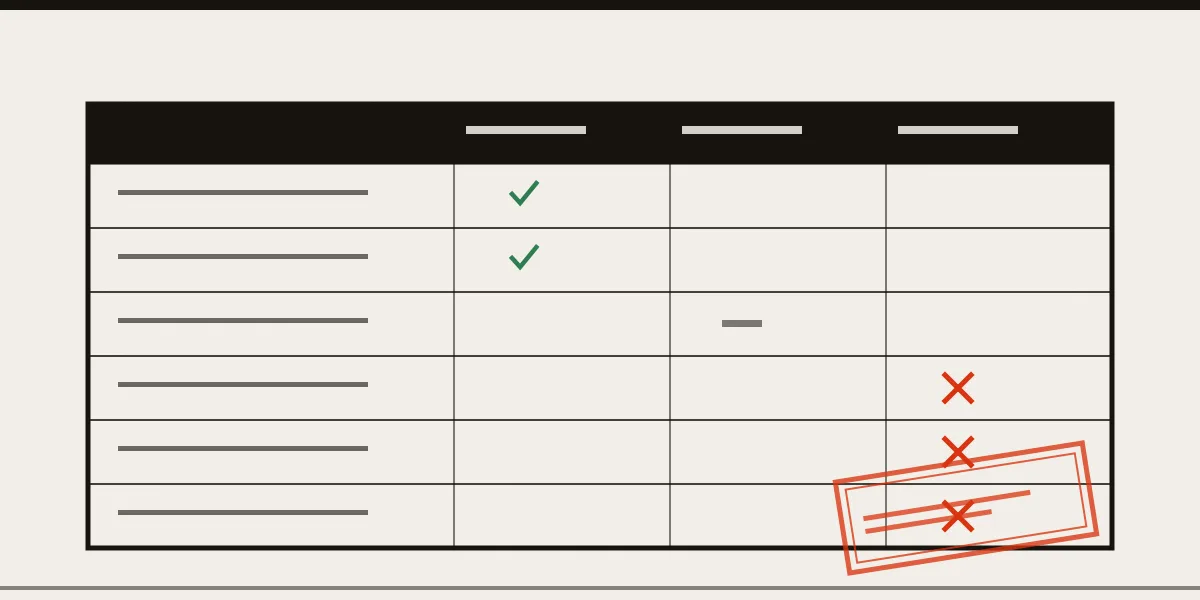
The Better Business Bureau publishes complaints for three years, meaning 1,095 days from the filing date, and then removes them automatically. Complaints are not deleted because a business asks. They can be closed, withdrawn by the consumer who filed them, or challenged on defined grounds, and the business gets 14 days to respond before the complaint publishes (BBB complaints process). That response window is the whole opportunity, and most businesses spend it drafting outrage instead of resolution.
So the real answer to how to remove a BBB complaint has two halves. The first is grounds-based, because BBB will not accept complaints that fall outside its published scope, and it is worth checking yours against that list before arguing anything else. Complaints about matters in active litigation, employment disputes between a business and its own staff, discrimination claims, and complaints from someone who was never a customer are all candidates for non-acceptance. If yours fits one of those categories, say so specifically and cite the criterion by name, because that is a procedural argument BBB can act on in a way it cannot act on a general assertion that the complaint is unfair or that the complainant is lying.
The second half is resolution, and it is the one that actually clears the record. A complaint the consumer withdraws after you fix the problem disappears in a way no argument achieves, and BBB's process is explicitly built to reward that outcome rather than to adjudicate who was right. Answer inside the 14 days. Answer in writing. Answer with a concrete remedy rather than a defence of your conduct, and then ask the consumer directly whether they will withdraw the complaint now the matter is resolved. Most people say yes, because most complainants wanted the problem fixed rather than the record kept. We have watched that work in a fortnight on complaints businesses had already written off as permanent, and the cost was a refund and a phone call rather than a retainer and a year of argument.
There is a reporting nuance worth knowing before you panic about the rating. A complaint that is answered and resolved reads very differently on your profile from one recorded as unanswered, and the pattern across three years matters more to anyone reading than any single entry does. Businesses routinely spend thousands trying to remove one complaint while leaving four others unanswered above it.
What does not work is volume or pressure. BBB counts substantiated issues rather than the number of times you email about them, in the same way Meta counts violations rather than reports, and violations are counted, not reports is the clearest statement of that principle we have written. What your response actually transmits to the other side is worth thinking about before you write it, much as what a report actually sends to the platform is worth knowing before you file one.
Facebook review removal after Meta moved to Recommendations
Most advice about Facebook review removal describes a product that no longer exists. Pages moved from one-to-five star ratings to a binary Recommendations system, and the star-rating instructions still circulating will send you hunting for controls that were retired.
What a Page owner controls today is narrower and blunter than people expect. You cannot delete an individual recommendation. You can report one that breaches Meta's Community Standards, covering harassment, hate speech, spam, or content from someone with no genuine experience of the business, and Meta decides the outcome rather than you. You can also switch Recommendations off for the Page entirely, which hides every recommendation at once, the positive along with the negative. That switch is the nuclear option and deserves the name. It is genuinely useful during a brigading emergency, when the alternative is watching a coordinated wave land in real time and compound while you draft reports, but it costs you every accumulated positive for as long as it stays off, it is visible to anyone who knew the tab was there, and flipping it back on restores every negative recommendation alongside everything else. Nothing is deleted by turning it off. It is a curtain, not a cure.
Before you reach for it, work out what you are actually facing. A single hostile recommendation from a real customer is not an emergency and switching off Recommendations to hide it destroys far more value than the recommendation itself costs. A coordinated wave of forty in an afternoon from accounts with no local connection is a different problem, and there the toggle buys you time to document the pattern and escalate it properly rather than losing the argument in public while you wait.
Report each one individually and specify the standard it breaches, exactly as with a Trustpilot flag. Where the reviewer has no connection to your business at all, that is the ground to lead with, because it is checkable in a way that "this is false" is not. Where the recommendation names an employee, that is a separate and stronger ground again.
Which removals stick and which reverse on appeal is its own subject, and Facebook is the platform where the difference bites hardest, so what actually stays down on Facebook is the honest accounting. Where the problem is the reviewer's account rather than the review, the procedures diverge again, and your own account versus theirs separates two things people routinely conflate. If you have been offered a tool that bulk-flags Facebook reviews, the missing API behind the product explains what you would actually be buying.
How long does each removal route take?
Days for a platform flag, weeks for a policy escalation, months for anything involving a court, and indefinitely for suppression. Anyone quoting you a single number across all nine sites is quoting a sales figure rather than an observed one.
Platform routes are the fast ones because a human moderator makes a decision against a written rule and nothing else has to happen. A Trustpilot flag typically resolves inside days to a couple of weeks, though Trustpilot publishes no service-level agreement and we would not repeat any vendor's specific day-count as though it were one. The review usually sits hidden from your public profile while the case is open, which is why the wait feels shorter than the calendar says it is. A ComplaintsBoard or PissedConsumer request runs slower because the queues are smaller and far less automated, and a well-evidenced request that goes unanswered for a month is neither unusual nor necessarily a refusal. A BBB complaint runs on its own fixed clock: 14 days for your response, three years until it expires, and no mechanism in between that shortens either.
Anything requiring a court runs on a different clock entirely. Identifying an anonymous author, issuing proceedings, obtaining judgment and then serving it on a search engine is a process measured in months at best and often longer than a year, and the one-year limitation period for defamation in England and Wales starts running from publication regardless of how long any of that takes. Search-engine action on a valid order, once you actually hold one, is comparatively quick and often lands within days to weeks.
Suppression has no completion date, which is the honest way to describe it. Meaningful movement on a brand query commonly takes three to six months of consistent work, longer against a strong domain, and it needs maintaining afterwards because the assets doing the suppressing decay. Treat any promise of permanent removal-by-suppression as a contradiction in terms.
Two things reliably make every one of these timelines worse. Filing the wrong instrument first, then filing the right one after the platform has already recorded a decision, which converts a two-week case into a three-month one. And waiting. Evidence disappears, limitation periods run, and syndicated copies multiply while you decide, so the cheapest thing you can do on day one is capture everything even if you take no other action for a month.
One thing reliably makes them shorter, and it is not paying more. It is arriving with the evidence already assembled and the specific rule already identified, so that whoever reviews your request can verify the claim without going looking. A flag that names the guideline and quotes the breaching sentence gets decided on first read. A flag that asserts unfairness gets queued, skimmed and declined. The same asymmetry applies to a court route, where a claim with the archived page, the timestamps and the financial loss already documented moves at a completely different speed from one where those have to be reconstructed a year later from memory.
How to vet a review removal service before you pay
Ask what happens to the URL. Everything else follows from the answer.
A vendor who says the page will be deleted should be asked which mechanism deletes it, and on Ripoff Report or the gossip boards there is no honest answer to that question. A vendor who says the listing will stop appearing for your brand searches is describing de-indexing or suppression, which is a real outcome and a legitimate thing to sell, provided they say so plainly and price it as the ongoing work it is. The distinction is not pedantry. It is the whole difference between a service and a story.
Five questions worth asking before any money moves, and the answers matter more than the price. Which specific route are you filing, and under which named platform rule or legal provision? Has anybody actually read my review or report before quoting this fee, or is the number the same for every client who calls? What happens if the platform refuses, and is any part of the fee contingent on the outcome rather than the filing? Will the original URL still resolve when you are finished, and if so, what exactly has changed? And will you confirm in writing that you will not file anything you believe to be untrue? A desk that answers those five plainly is worth talking to even if it turns out to be expensive. A desk that deflects any of them has told you what it is.
Warning signs are consistent across this trade. A guarantee of removal, from anyone, on any platform. A fee quoted before the material has been read. Pressure to pay in cryptocurrency up front. A request for your account passwords rather than the limited access a legitimate filing actually needs. An offer to bury the review under positive reviews they will supply, which is a direct breach of the FTC's Consumer Review Rule and hands a regulator a case against you rather than against the reviewer. And any vendor who volunteers no limits at all, because every honest desk in this field carries a long list of things it cannot do.
Have four things ready before the first conversation and it will be a much shorter one. The exact URLs, including the profile page as well as each individual review or report. The dates each appeared. A one-line note per item saying what specifically is false and which document disproves it. And an honest answer to what you actually want, because "make it go away" and "stop this appearing when a client searches my company" lead to completely different work at completely different prices.
We publish the limits we state before taking a case for that reason, and we would rather lose the work than take a fee for a route we do not believe in.
What no review removal service can take down
A truthful review stays up. That is the sentence most of this trade is built to avoid saying, so we will say it plainly.
If a customer had a bad experience and described it accurately, no Trustpilot review removal service, no Ripoff Report removal service and no amount of money will lawfully remove it, and the vendors who imply otherwise are selling either a filing you could make yourself or a false report filed in your name. People arrive searching for a trustpilot review removal service, or typing trustpilot remove review, trustpilot delete review, trustpilot report review, trustpilot flag review, hoping one of those phrases unlocks a mechanism the others do not. They all reach the same place. There is no bulk lever to remove Trustpilot reviews wholesale, and any Trustpilot review removal offer priced per review before anyone has read them is priced on hope rather than on assessment.
Here is what we will not do, and it is worth knowing before you shortlist anyone. We do not promise guaranteed removal, because nobody controls the moderator, the host or the judge. We do not forge DMCA notices or draft copyright claims over material we know you do not own, because a false notice is perjury in the United States, gets the content reinstated on counter-notice, and hands the other side a claim against you. We do not send bluffed legal threats, which the FTC's Consumer Review Rule now treats as an offence in its own right when they are used to suppress a genuine review. We never ask for your password, and we never ask you to send us intimate material. And we will not take a fee to attack a review we believe is true.
Our full position on the limits of this work is set out in our editorial and legal position. Nothing on this page is legal advice, and any case heading towards litigation needs a solicitor qualified in your jurisdiction.
Suppression is the honest fallback and it deserves a straight description rather than a euphemism. It removes nothing. It changes what a person sees on the first page when they search your name or your company, by building assets that outrank the material you cannot delete. It takes months rather than days, it needs maintaining, and it fails against a strong domain on a low-competition brand query. When somebody sells you removal and delivers this, you have been mis-sold. When somebody explains this and quotes for it honestly, you are being told the truth about a genuinely hard problem.
It is also worth saying which cases we decline outright, because the list is short and it is the same list every time. We do not act against a review we believe to be an accurate account of a real transaction. We do not act against journalism, however unwelcome, and a trade-press article about a genuine dispute is journalism whatever it has done to your enquiries. We do not act against a public record, including a court listing or a regulator's published decision. In each of those cases the only thing available is suppression, and we would rather tell you that at the first conversation than take a fee and discover it together in month four.
The last thing worth internalising is the boundary between what you control and what only the platform does, and what you control, and what you don't draws that line better than we could redraw it here. You control your evidence, your speed, your choice of route, and whether you make the situation worse. Everything past that belongs to a moderator, a host or a court.
If you want a second opinion on a specific review or complaint, start a confidential case review and we will tell you which of the three outcomes is realistically available before any fee is discussed. More of our practice notes, platform by platform, sit in the Obscura briefing library.